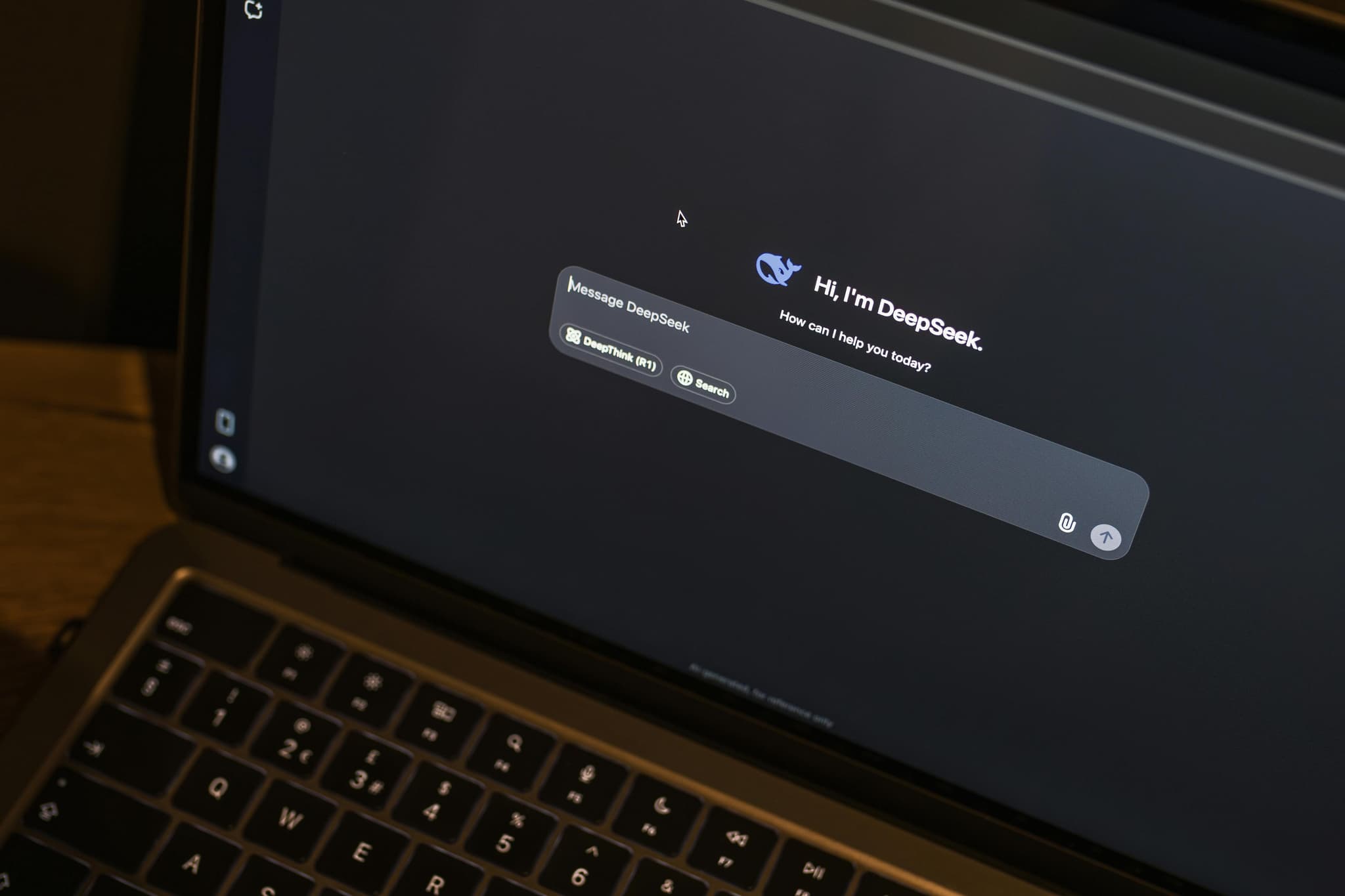
DeepSeek has rapidly emerged as one of the most discussed large language models in the artificial intelligence community. With its impressive capabilities, rapid adoption, and open-source ambitions, DeepSeek has sparked excitement—and, inevitably, a swirl of myths and misinformation. In this comprehensive guide, we cut through the noise to deliver verified facts about DeepSeek, debunk common misconceptions, and provide actionable insights for AI enthusiasts, developers, and business leaders.
Whether you’re evaluating DeepSeek for your next project or simply curious about how it compares to alternatives, this article is your authoritative source. We’ll explore the model’s architecture, real-world applications, limitations, and best practices, with practical examples and expert analysis. By the end, you’ll have a clear understanding of what DeepSeek truly offers—and what it doesn’t.
"In the age of AI hype, separating fact from fiction is crucial for informed decisions."
What Is DeepSeek? A Clear Definition and Key Features
Understanding DeepSeek’s Place in AI
At its core, DeepSeek is a modern large language model (LLM) designed to understand and generate human-like text. Much like OpenAI’s GPT models and Anthropic’s Claude, DeepSeek leverages advanced deep learning techniques to process and produce language for a variety of applications. It’s built to power chatbots, content generation tools, code assistants, and more.
Key Features That Set DeepSeek Apart
- Open-source architecture for transparency and customization
- Multilingual support, including strong performance in English
- Competitive benchmark scores on standard NLP tasks
- Extensible for specialized domains like legal, medical, and technical topics
Takeaway: DeepSeek is a versatile LLM, positioned as a flexible and transparent alternative in the AI landscape.
Fact vs Fiction: Debunking the Most Common Myths About DeepSeek
Myth 1: DeepSeek Is Just a Copy of Other AI Models
While DeepSeek shares some architectural similarities with other LLMs, it introduces unique optimizations and training strategies. Its open-source nature allows for community-driven innovation and transparency in how it processes and generates language.
Myth 2: DeepSeek Only Works Well in One Language
Contrary to this belief, DeepSeek demonstrates strong multilingual capabilities, especially in English. Users have reported high-quality outputs in various languages, making it suitable for global applications.
Myth 3: DeepSeek Is Not Suitable for Business Applications
DeepSeek’s robust performance and customizability make it a compelling choice for enterprise use. From automating customer support to powering intelligent document analysis, its real-world utility is proven.
"Misinformation about AI models can lead to missed opportunities and poor decisions."
Key takeaway: Don’t let myths prevent you from leveraging DeepSeek’s true potential.
DeepSeek Architecture: How Does the Model Work?
Transformer-Based Foundations
DeepSeek, like most state-of-the-art LLMs, is built upon the transformer architecture. Transformers use self-attention mechanisms to process input sequences in parallel, enabling faster and more context-aware language understanding. This design underpins DeepSeek’s ability to handle long passages and nuanced queries.
Training Data and Fine-Tuning
DeepSeek is trained on a massive, diverse dataset drawn from web content, books, code repositories, and more. Fine-tuning options allow organizations to specialize DeepSeek for particular tasks—such as legal document review or scientific research—by exposing it to relevant domain data.
- Parallel processing for speed
- Self-attention layers for contextual understanding
- Scalable architecture for deployment on various hardware
Tip: To optimize DeepSeek for your needs, invest time in domain-specific fine-tuning.
DeepSeek in Action: Real-World Use Cases
1. Customer Support Automation
Organizations deploy DeepSeek-powered chatbots to handle common customer queries, reducing support costs and improving response times. For example, a telecom company automated 60% of its support tickets with DeepSeek, freeing up human agents for complex cases.
2. Content Generation and Summarization
Media outlets use DeepSeek to automate the drafting of news summaries, product descriptions, and more. Its high-quality output and ability to distill information make it valuable for content teams.
3. Code Assistance for Developers
DeepSeek can generate and explain code snippets in multiple programming languages. For example:
def greet(name):
    return f"Hello, {name}!"
This code generates a personalized greeting, showcasing DeepSeek’s utility for rapid prototyping.
4. Enterprise Document Analysis
Legal firms and financial institutions use DeepSeek to extract insights from large volumes of documents, accelerating workflows and improving accuracy.
5. Educational Tutoring
Educators leverage DeepSeek to provide instant explanations, create quizzes, and offer personalized learning support to students.
- Medical research assistants
- E-commerce product recommendations
- Internal knowledge base search engines
Best practice: Combine DeepSeek with human oversight for critical decision workflows.
Comparing DeepSeek to Other Leading AI Models
DeepSeek vs. OpenAI’s GPT
Both models excel at natural language understanding, but DeepSeek’s open-source approach offers more flexibility for customization and integration. In contrast, GPT models often require API access and may have higher usage costs.
DeepSeek vs. Anthropic’s Claude
While Claude emphasizes safety and alignment, DeepSeek prioritizes transparency and adaptability. The best choice depends on your organization’s priorities and compliance requirements.
If you are looking for a broader comparison of current AI models, check out our expert analysis of ChatGPT and Claude.
- DeepSeek: Open-source, customizable, strong multilingual support
- GPT: Proprietary, powerful, extensive ecosystem
- Claude: Safety-focused, ethical considerations