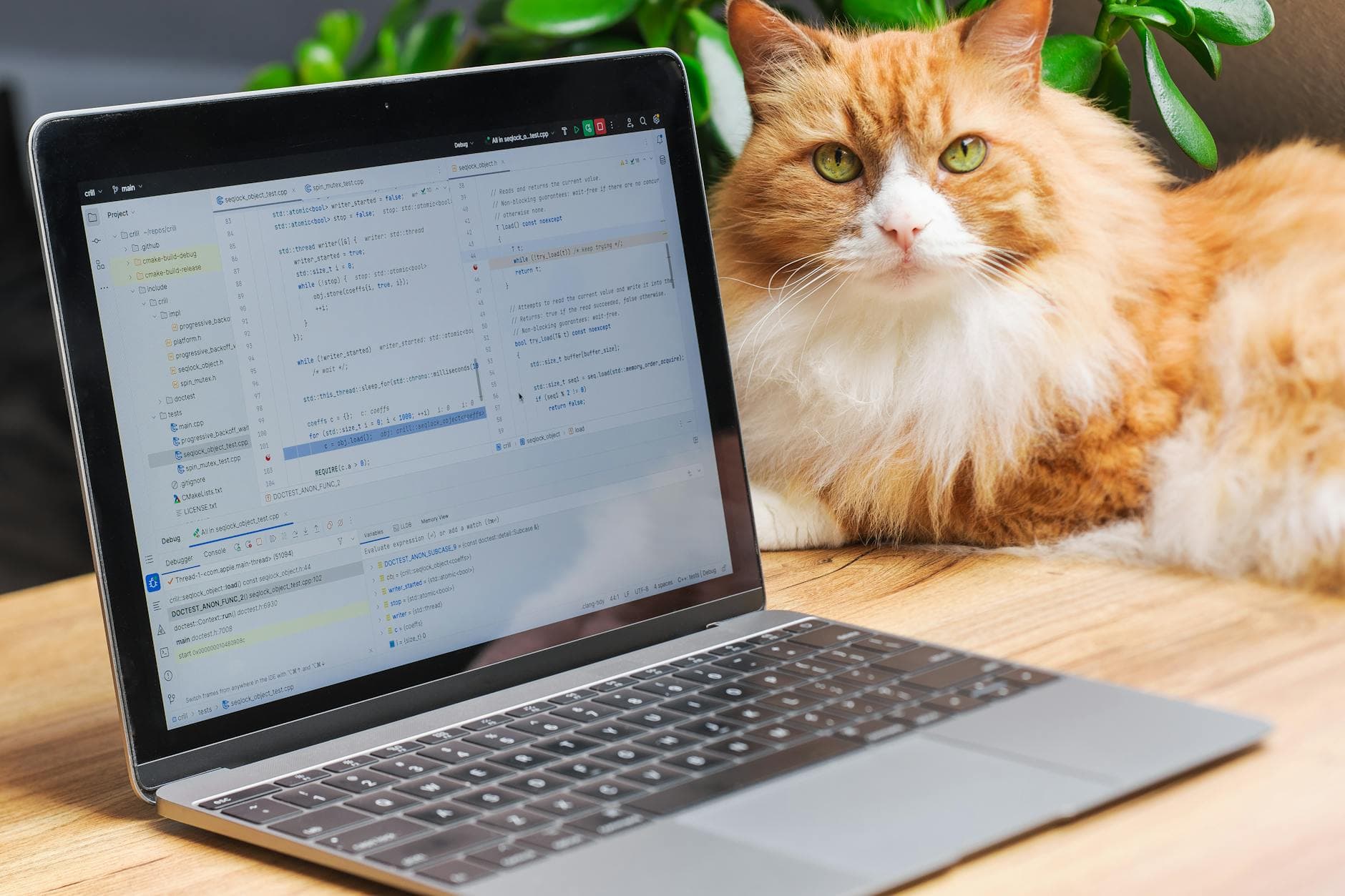

Continuous Integration and Continuous Deployment (CI/CD) have revolutionized software delivery, but can they truly enhance the reliability of desktop applications? As desktop apps remain crucial in enterprise, scientific, and productivity domains, their stability and quality are paramount. Traditional manual build and deployment processes are error-prone and slow, which poses risks for end-users and developers alike.
This article explores how CI/CD pipelines—long embraced in web and mobile development—are rapidly transforming the desktop application landscape. You'll discover:
- What CI/CD means for desktop software
- How automation reduces human error
- Step-by-step examples to implement CI/CD for desktop projects
- Best practices, common pitfalls, and real-world scenarios
- Comparisons with alternative approaches and future trends
Whether you are a software architect, developer, or DevOps engineer, understanding the role of CI/CD automation in desktop application reliability is essential. Let's dive deep into the process, benefits, challenges, and actionable insights you can apply immediately.
What is CI/CD in the Context of Desktop Applications?
Defining CI/CD for Desktop Software
CI/CD stands for Continuous Integration and Continuous Deployment/Delivery. In desktop application development, CI/CD refers to automated pipelines that build, test, and deploy desktop software across multiple platforms—Windows, macOS, and Linux—streamlining the entire release process.
Key Differences from Web and Mobile CI/CD
Unlike web applications, desktop apps require packaging, installer creation, and distribution through various channels (e.g., Microsoft Store, direct download). This adds complexity to the pipeline, making robust automation even more critical.
- Multi-platform builds (e.g., .msi, .exe, .dmg, .AppImage)
- Handling of native dependencies
- Code signing and notarization
"Automating builds and deployments for desktop applications drastically reduces manual errors and ensures consistency across releases."
Why Automation Matters: Benefits of CI/CD for Desktop Apps
Reducing Human Error and Improving Consistency
Manual build and deployment processes are susceptible to mistakes—incorrect configuration, missed steps, or outdated dependencies. CI/CD automation eliminates these risks by standardizing the process and enforcing repeatable builds.
Accelerating Release Cycles
CI/CD enables teams to deliver features and fixes faster. Automated pipelines can run on every commit, providing instant feedback and reducing time-to-market.
- Faster bug fixes
- Reduced lead time for changes
- Increased developer productivity
"Teams leveraging CI/CD pipelines experience up to 50% fewer release defects compared to those relying on manual processes."
Building a CI/CD Pipeline for Desktop Applications: Step-by-Step Guide
1. Setting Up Version Control
Start by using a modern version control system like Git. Ensure your desktop application's codebase is organized and includes configuration files for builds and tests.
2. Configuring Automated Build Scripts
Use tools such as CMake for C++ projects, MSBuild for .NET, or Electron Builder for Electron apps. Write scripts to automate the compilation, packaging, and installer creation steps.
# Example GitHub Actions workflow for Electron
name: Build and Release
on:
  push:
    branches:
      - main
jobs:
  build:
    runs-on: ubuntu-latest
    steps:
      - uses: actions/checkout@v2
      - name: Install dependencies
        run: npm install
      - name: Build
        run: npm run build
      - name: Package
        run: npm run package
3. Integrating Automated Testing
Incorporate unit tests and UI tests using frameworks like pytest, JUnit, or Selenium. Automated tests catch regressions early, ensuring only stable builds are released.
4. Automating Code Signing and Notarization
Many platforms require signed binaries. Integrate code signing steps into your pipeline with appropriate credentials and environment variables.
5. Continuous Deployment and Distribution
Automate deployment to distribution channels or internal servers. Use platforms like App Center, Chocolatey, or custom update servers.
- Publish to Microsoft Store or Apple Notarization
- Upload to S3 buckets or FTP servers for internal distribution
- Release notes generation
Real-World Examples: CI/CD for Popular Desktop Stacks
Example 1: .NET WPF Application
Using Azure DevOps Pipelines, teams can automate MSBuild, run NUnit tests, sign the application, and publish .msi installers to a secure server. This process ensures every release is tested and ready for production.
Example 2: Electron Application
With GitHub Actions and Electron Builder, developers automate cross-platform builds, code signing, and release packaging for Windows, macOS, and Linux. Automated deployment to GitHub Releases enables instant access for users.
Example 3: Qt/C++ Cross-Platform Application
Jenkins or GitLab CI can be set up to build Qt apps for all supported platforms, running unit and GUI tests via QTest. Installers are signed and uploaded to a distribution server automatically.
Example 4: JavaFX Desktop App
Using Gradle and Jenkins, teams automate the build process, execute JUnit tests, and create native installers with jpackage. The pipeline can generate and sign installers for all target platforms.
Example 5: Legacy WinForms Migration
Legacy desktop apps being migrated to modern stacks can benefit from incremental adoption of CI/CD. Start with build automation, then add testing and deployment stages as confidence grows. For more on this, see how to migrate legacy desktop applications to the cloud.
Common Pitfalls When Implementing CI/CD for Desktop Apps
Platform-Specific Build Failures
Desktop apps often depend on native libraries. Pipelines must account for different build environments and dependency management (e.g., Homebrew for macOS, Chocolatey for Windows).
Code Signing Issues
Automating code signing requires securely storing certificates and handling password prompts in headless environments. Misconfigured signing can block deployment or result in user trust warnings.