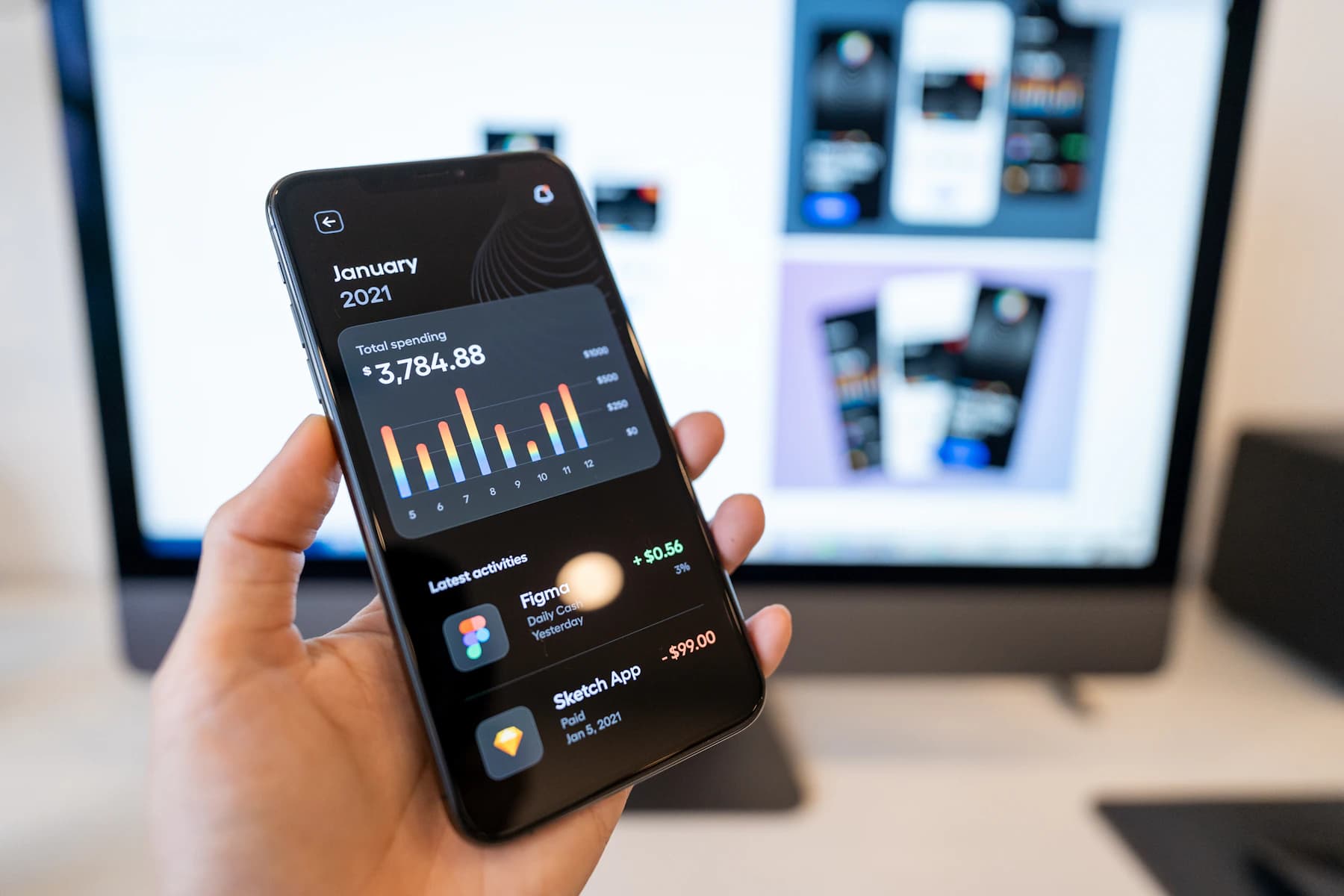
Mobile applications that shorten work outside the office

We build mobile applications that let people finish work where it actually happens: in the field, warehouse, service, sales or on the customer side.

Mobile creates the most value when the phone replaces notes, photos, messages and later data entry with one short workflow.

01

First field workflow

Task, status, photo or scan completed where work happens

We design the mobile flow around the pace and conditions of field users

iOS and Android applications for field teams, customers, service and logistics

02

Fewer taps

Shorter paths for users in motion, gloves or weak network

We reduce the number of steps needed to close a task, request or inspection

First module: task list, statuses, photos, scanning, signature or geolocation and synchronization

03

One data flow

Field data immediately consistent with the central system

We connect the app with ERP, CRM, OMS, web panels and other operational systems

Mobile workflows for sales, inspections, deliveries, warehouse work, service and reporting

Typical problems we solve

A mobile app makes business sense when it shortens real work outside the office, reduces later corrections and gives the back office a live view of the field.

The first visible signal

tasks are confirmed outside the system or after the fact

How we structure it

We build the app around actual field execution

We structure steps, validation, statuses and synchronization so users can close the task where the work actually happens.

Faster task completion, fewer manual updates and better visibility into work outside the office.

What it does to the process

the back office cannot see the current status of field work

How we structure it

We build the app around actual field execution

We structure steps, validation, statuses and synchronization so users can close the task where the work actually happens.

Faster task completion, fewer manual updates and better visibility into work outside the office.

The first visible signal

too many screens, taps and decisions in simple tasks

How we structure it

We redesign the app around the pace of field work

We simplify flows, reduce decisions on screen, design offline behavior and optimize the actions used most often.

Higher adoption, fewer workarounds and a measurably shorter time to complete work.

What it does to the process

weak offline behavior or slow synchronization

How we structure it

We redesign the app around the pace of field work

We simplify flows, reduce decisions on screen, design offline behavior and optimize the actions used most often.

Higher adoption, fewer workarounds and a measurably shorter time to complete work.

The first visible signal

users see different data than the central team

How we structure it

We connect the app to the central system with clear sync rules

We design integrations, conflict handling, offline queues and update rules where they directly affect the process.

The mobile app becomes part of operations, not a separate data channel that still needs manual cleanup.

What it does to the process

manual exports, imports and status corrections are still needed

How we structure it

We connect the app to the central system with clear sync rules

We design integrations, conflict handling, offline queues and update rules where they directly affect the process.

The mobile app becomes part of operations, not a separate data channel that still needs manual cleanup.

Where the dependency appears

We turn scattered tasks, spreadsheets and decisions into one system that guides daily work

How we structure it

We address it in parallel

If the project spans several layers, we create one delivery sequence instead of separate initiatives.

Less architectural risk and less manual stitching between workstreams.

Why it should be handled together

This category often decides delivery speed, stability and the sensible order of change.

How we structure it

We address it in parallel

If the project spans several layers, we create one delivery sequence instead of separate initiatives.

Less architectural risk and less manual stitching between workstreams.

Where the dependency appears

We remove manual data copying between sales, operations, finance, and customer service

How we structure it

We address it in parallel

If the project spans several layers, we create one delivery sequence instead of separate initiatives.

Less architectural risk and less manual stitching between workstreams.

Why it should be handled together

This category often decides delivery speed, stability and the sensible order of change.

How we structure it

We address it in parallel

If the project spans several layers, we create one delivery sequence instead of separate initiatives.

Less architectural risk and less manual stitching between workstreams.

Where the dependency appears

We help choose the first product scope that can be tested with customers without burning the budget

How we structure it

We address it in parallel

If the project spans several layers, we create one delivery sequence instead of separate initiatives.

Less architectural risk and less manual stitching between workstreams.

Why it should be handled together

This category often decides delivery speed, stability and the sensible order of change.

How we structure it

We address it in parallel

If the project spans several layers, we create one delivery sequence instead of separate initiatives.

Less architectural risk and less manual stitching between workstreams.

When a mobile app makes real business sense

When work happens outside the office, but statuses, photos, signatures, scans and confirmations still reach the system late or require manual cleanup.

01

We design the mobile flow around the pace and conditions of field users

iOS and Android applications for field teams, customers, service and logistics

When work happens outside the office, but statuses, photos, signatures, scans and confirmations still reach the system late or require manual cleanup.

02

We reduce the number of steps needed to close a task, request or inspection

First module: task list, statuses, photos, scanning, signature or geolocation and synchronization

We usually start with one critical field workflow: task assignment, confirmation, photo or scan, offline mode and synchronization with the central system.

03

We connect the app with ERP, CRM, OMS, web panels and other operational systems

Mobile workflows for sales, inspections, deliveries, warehouse work, service and reporting

We usually start with one critical field workflow: task assignment, confirmation, photo or scan, offline mode and synchronization with the central system.

Have a process that should work outside the office?

In 30 minutes we identify which tasks belong in the mobile app, where data gets lost and which first field workflow makes the most sense.

How we start

24h

Within 24 hours, we will suggest a time to talk and share an initial view of the challenge. We will help you decide whether to build, integrate, automate, or start with a simpler step.

How we start

24h

Within 24 hours, we will suggest a time to talk and share an initial view of the challenge. We will help you decide whether to build, integrate, automate, or start with a simpler step.

Mobile Applications for Companies | iOS, Android, Offline | Software Logic