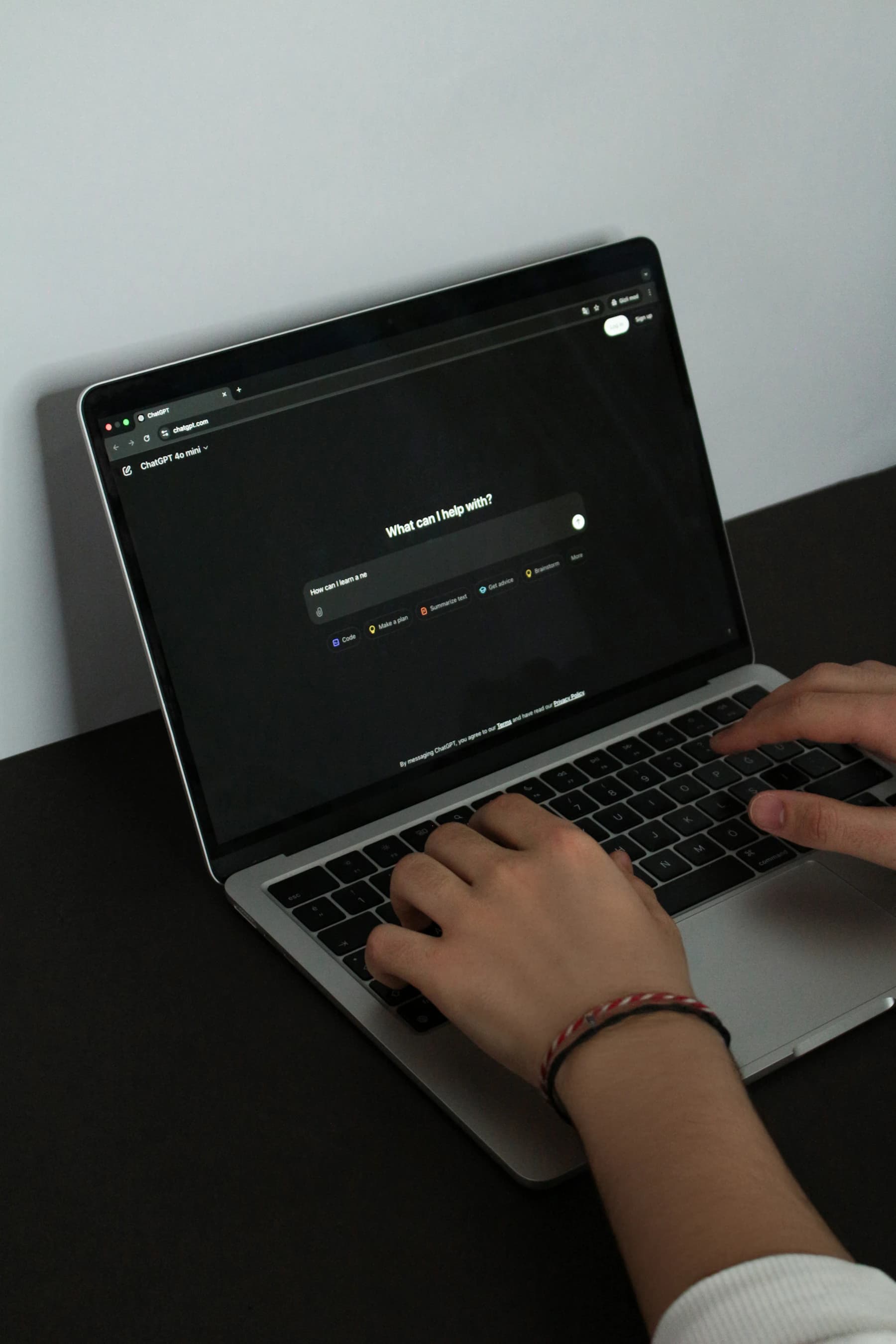
AI products built around measurable tasks

We build AI products and features where the impact can be measured clearly: shorter handling time, less manual work, faster access to knowledge or higher team throughput.

We do not start with the model. We start with the task, data, output quality and the way a person should control or approve AI behavior.

01

First scenario

One AI workflow with a clear quality and control measure

We choose a scenario that can be tested quickly

Assistants and copilots for operations, support, sales and customer service

02

Human control

Quality review, feedback and escalation for risky outputs

We structure data, sources of truth and ownership

First scenario: ticket classification, document OCR, AI search or answer suggestions

03

Data integration

AI embedded in data, systems and user workflows

We design how users use AI output, not only the model call

AI search, content classification, OCR and information extraction

Problems where AI can actually help

AI makes sense when it owns a concrete workflow step and its output can be checked, improved and measured in daily work.

The first visible signal

too much copy-paste and manual classification

How we structure it

We build AI around a concrete task

We choose the model, safeguards and interface so AI supports the work instead of adding another layer of risk.

Shorter handling time and more throughput without adding headcount to basic tasks.

What it does to the process

decisions are slow because knowledge is fragmented

How we structure it

We build AI around a concrete task

We choose the model, safeguards and interface so AI supports the work instead of adding another layer of risk.

Shorter handling time and more throughput without adding headcount to basic tasks.

The first visible signal

there is no trustworthy data source

How we structure it

We design evaluation, escalation and control layers

We add validation, feedback and monitoring where the risk is highest.

AI becomes usable in production because the outcome can be measured, reviewed and escalated safely.

What it does to the process

no one knows when AI is wrong

How we structure it

We design evaluation, escalation and control layers

We add validation, feedback and monitoring where the risk is highest.

AI becomes usable in production because the outcome can be measured, reviewed and escalated safely.

The first visible signal

no connection to operational systems and data

How we structure it

We turn the prototype into a product feature

We embed AI into the real process, interfaces and source systems.

AI starts creating value in daily work instead of only looking good in a presentation.

What it does to the process

the result sits outside the user’s main workflow

How we structure it

We turn the prototype into a product feature

We embed AI into the real process, interfaces and source systems.

AI starts creating value in daily work instead of only looking good in a presentation.

Where the dependency appears

We take repetitive statuses, checks, exports, and rule-based decisions off the team

How we structure it

We address it in parallel

If the project spans several layers, we create one delivery sequence instead of separate initiatives.

Less architectural risk and less manual stitching between workstreams.

Why it should be handled together

This category often decides delivery speed, stability and the sensible order of change.

How we structure it

We address it in parallel

If the project spans several layers, we create one delivery sequence instead of separate initiatives.

Less architectural risk and less manual stitching between workstreams.

Where the dependency appears

We remove manual data copying between sales, operations, finance, and customer service

How we structure it

We address it in parallel

If the project spans several layers, we create one delivery sequence instead of separate initiatives.

Less architectural risk and less manual stitching between workstreams.

Why it should be handled together

This category often decides delivery speed, stability and the sensible order of change.

How we structure it

We address it in parallel

If the project spans several layers, we create one delivery sequence instead of separate initiatives.

Less architectural risk and less manual stitching between workstreams.

Where the dependency appears

We turn scattered tasks, spreadsheets and decisions into one system that guides daily work

How we structure it

We address it in parallel

If the project spans several layers, we create one delivery sequence instead of separate initiatives.

Less architectural risk and less manual stitching between workstreams.

Why it should be handled together

This category often decides delivery speed, stability and the sensible order of change.

How we structure it

We address it in parallel

If the project spans several layers, we create one delivery sequence instead of separate initiatives.

Less architectural risk and less manual stitching between workstreams.

When AI makes sense

Where a piece of work is repetitive, the output can be evaluated, and the impact on time, cost or service quality can be measured.

01

We choose a scenario that can be tested quickly

Assistants and copilots for operations, support, sales and customer service

Where a piece of work is repetitive, the output can be evaluated, and the impact on time, cost or service quality can be measured.

02

We structure data, sources of truth and ownership

First scenario: ticket classification, document OCR, AI search or answer suggestions

We usually start with one scenario that can be evaluated for both quality and business value: ticket classification, document OCR, company knowledge search or a team assistant.

03

We design how users use AI output, not only the model call

AI search, content classification, OCR and information extraction

We usually start with one scenario that can be evaluated for both quality and business value: ticket classification, document OCR, company knowledge search or a team assistant.

Have a task where AI should create measurable value?

In 30 minutes we check whether AI makes sense here, what data is needed and how to test the first scenario safely.

How we start

24h

Within 24 hours, we will suggest a time to talk and share an initial view of the challenge. We will help you decide whether to build, integrate, automate, or start with a simpler step.

How we start

24h

Within 24 hours, we will suggest a time to talk and share an initial view of the challenge. We will help you decide whether to build, integrate, automate, or start with a simpler step.

AI Products for Companies | Automation, OCR, Assistants | Software Logic