
Process automation
Does your team spend time copying data, tracking deadlines and reminding people about tasks? We automate repetitive work and route cases needing judgement or approval to the right people.
Contact usMove work forward without manual handovers
We identify tasks that follow consistent rules and examine what happens in exceptional cases. We connect tools so an event in one system triggers the right action in another. Your team can follow progress and focus on cases that need their attention.
What you receive
- A workflow definition with rules, exceptions and decision responsibilities
- Automatic transfer of data, documents and tasks between tools
- Reminders, updates and reports supporting everyday work
- Control over exceptions and approvals, with rules that can evolve
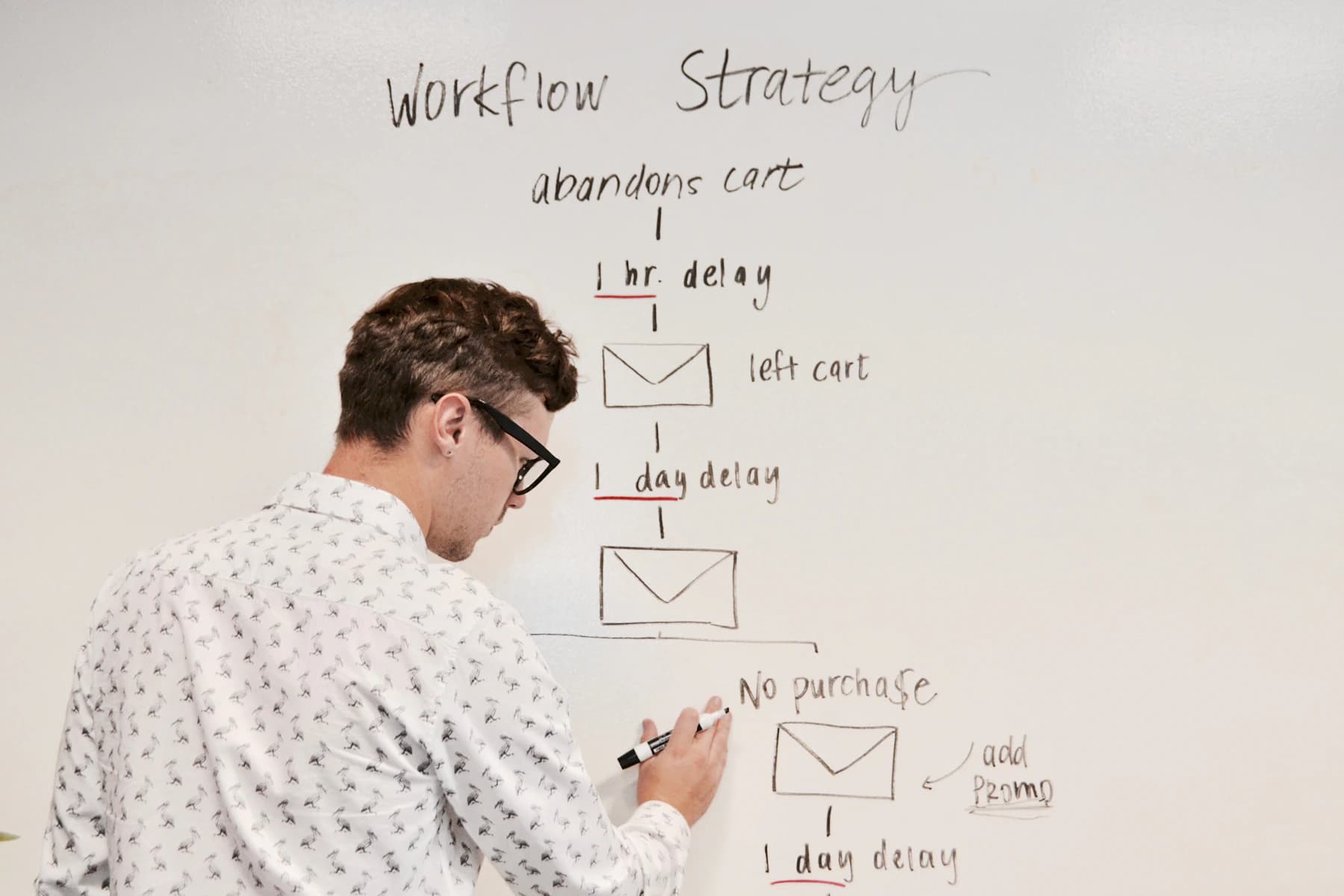
Where we can help
Document workflows
Route documents, check completeness and remind the right people about pending approvals.
Event-driven tasks
Start actions after an order, status change or deadline according to business rules.
Reports and notifications
Collect data and deliver relevant information with a traceable record of processing.
How we automate data collection for Mesoworks
For Mesoworks, we develop a system that automatically collects lead information and transfers it to CRM and monday.com. Sales teams can use this data in their daily work.
All projects
Mesoworks: automated lead data collection for sales teams
View project: Mesoworks Sp. z o.o.How to start and what you receive
You can commission the first stage separately. You know its scope and cost before work begins and decide on further work based on the results. If you already have an analysis or specification, we adapt the starting point to those materials.
Automation process analysis
The selected process is documented with its rules, exceptions and a way to measure results. The recommendation identifies tasks to automate, decisions that stay with your team and the tool connections needed for implementation.
Build rules and connections
The workflow performs the agreed tasks and routes approvals to the right people. Exceptions have a visible status and a defined handling process.
Launch and measure
After launch, you compare handling time and exceptions with the previous workflow. The findings help you choose further improvements.
Frequently asked questions
A frequent, time-consuming task with clear rules is often a good candidate. We assess volume, the cost of errors and data availability together.
Which tasks take up your team’s time?
Describe the recurring work and the situations that need a person’s judgement. Together, we will assess what is worth automating and how to measure the outcome.
In our conversation, we’ll identify what we need for an estimate and how we can help.
You can also email us directly: office@softwarelogic.co