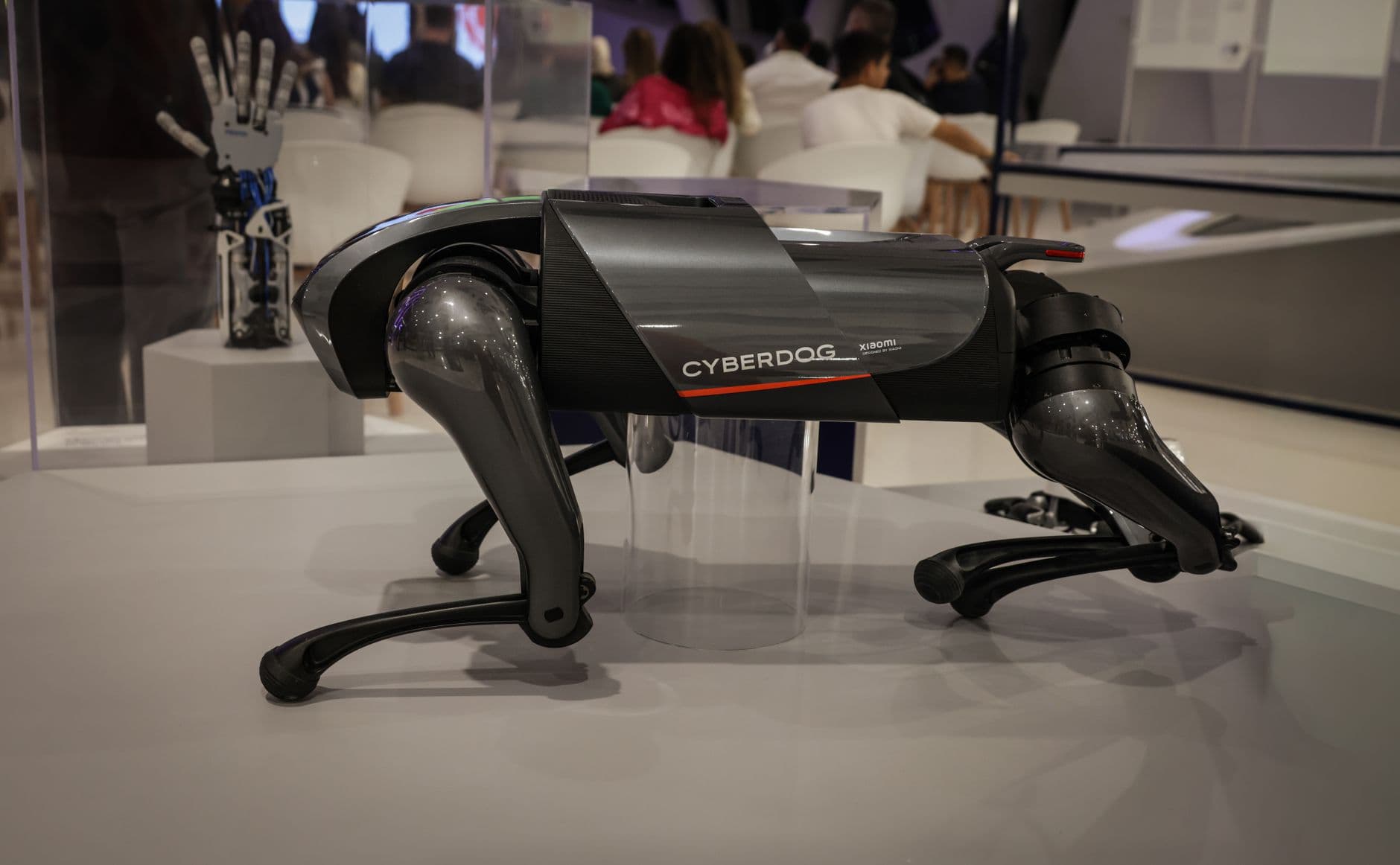
Artificial Intelligence and Sports Analytics: Unlocking New Possibilities
Artificial intelligence (AI) is transforming the sports industry, revolutionizing how games are played, watched, and managed. From instant performance analysis to fan engagement, AI-powered sports analytics offer new tools for coaches, athletes, and organizations. As the volume and complexity of data grow, traditional analysis methods are no longer enough. AI steps in with machine learning, computer vision, and predictive models to make sense of vast datasets, uncover hidden patterns, and provide actionable insights.
In this comprehensive guide, you will learn how artificial intelligence in sports is changing the landscape. We’ll explore real-world examples, best practices, common mistakes, and future trends. Whether you’re a coach, data analyst, or sports enthusiast, understanding AI’s impact will help you stay ahead of the curve and make better decisions. Let’s dive into the world where technology meets athleticism and discover the new possibilities AI brings to sports analytics.
How Artificial Intelligence Is Transforming Sports Analytics
Understanding AI in Sports Context
Artificial intelligence in sports refers to the use of algorithms and machine learning to process and interpret data from games, training, and management. These systems analyze countless variables, from player movements to weather patterns, to optimize everything from strategy to fan experience.
Key Benefits of AI in Sports Analytics
- Faster data processing for real-time decision making
- Improved accuracy in performance evaluation
- Enhanced injury prevention and recovery strategies
- Personalized training and nutrition plans
- Advanced scouting and opponent analysis
AI is not just about crunching numbers; it’s about generating actionable insights that drive performance and business value. By leveraging AI, organizations can gain a competitive edge both on and off the field.
Real-World Applications: AI in Action Across Sports
Player Performance Analysis
AI models analyze player biomechanics and in-game decisions using computer vision and sensor data. For example, basketball teams use AI to track player movement, evaluate shot efficiency, and optimize lineups. Football analysts use AI to break down formations and predict play outcomes, leading to smarter tactics and substitutions.
Injury Prevention and Recovery
AI-powered wearables collect data on player workload, fatigue, and movement patterns. Machine learning algorithms identify injury risk factors and suggest preventive actions. This data-driven approach has helped reduce injuries in professional soccer and basketball by up to 30% in some organizations.
Fan Engagement and Broadcasting
AI customizes the viewing experience through automated highlight reels, live statistics, and virtual reality enhancements. Streaming platforms use AI to recommend content, while chatbots provide instant support and ticketing services.
"AI-driven analytics have reduced injury rates and improved training outcomes in major sports leagues worldwide."
Scouting and Recruitment
AI systems analyze vast databases of player statistics from global leagues, helping scouts identify undervalued talent. Predictive models forecast a player’s future performance, giving teams a strategic edge in recruitment.
Case Study: Tennis and Hawk-Eye Technology
The Hawk-Eye system uses computer vision and AI to track ball trajectories, providing accurate line calls and instant replays. This technology is now standard in tennis, cricket, and even soccer VAR systems.
Key Technologies Powering Sports Analytics
Machine Learning and Predictive Models
Machine learning algorithms analyze historical data to predict future outcomes, such as game results or injury risks. These models learn from new data, improving their accuracy over time.
Computer Vision and Video Analysis
Computer vision processes video feeds to track player and object movements. This enables detailed breakdowns of plays and supports advanced tactics planning.
Natural Language Processing (NLP)
NLP tools analyze media coverage, fan sentiment, and social media trends, helping teams manage reputation and tailor communications.
"Data-driven scouting powered by AI has helped uncover hidden talent and optimize team composition."
Wearable Sensors and IoT Devices
Wearables collect real-time physiological and biomechanical data. Integrating this with AI provides coaches with instant feedback on player health and performance.
Step-by-Step: Implementing AI-Driven Analytics in Sports Organizations
1. Define Objectives and Success Criteria
Start by identifying what you want to achieve - improving win rates, reducing injuries, or enhancing fan engagement. Set measurable KPIs aligned with these goals.
2. Collect and Prepare Data
Gather data from sensors, video feeds, and historical records. Clean and preprocess the data to ensure quality and consistency.
3. Build and Train AI Models
Select the right algorithms and train them on your dataset. Use cross-validation and regular updates to improve model accuracy.
4. Integrate with Existing Systems
Connect AI solutions to your current analytics platforms, ensuring seamless data flow and user adoption.
5. Monitor, Evaluate, and Adapt
Continuously monitor model performance and retrain as needed. Solicit feedback from coaches and staff to drive improvements.
- Start small with pilot projects
- Scale up as confidence grows
- Ensure data privacy and compliance
Common Mistakes in Sports AI Projects and How to Avoid Them
Overreliance on Technology
AI is a powerful tool but should not replace human judgment. Combine AI-driven insights with expert analysis for the best results.
Poor Data Quality
Inaccurate or incomplete data leads to unreliable models. Invest in robust data collection and validation processes.
Lack of Clear Objectives
Without defined goals, AI projects can drift and fail to deliver value. Set SMART (Specific, Measurable, Achievable, Relevant, Time-bound) objectives from the outset.
Ignoring Change Management
Adopting AI requires cultural and workflow changes. Provide training and support to ensure buy-in from coaches and athletes.
- Involve stakeholders early in the process
- Regularly review and update AI models
- Address ethical and privacy concerns
For more on avoiding pitfalls in AI implementation, see 5 Critical Mistakes When Building a RAG Chatbot and How to Avoid Them.
Best Practices for Leveraging AI in Sports Analytics
Foster Collaboration Between AI Experts and Sports Professionals
AI projects are most successful when data scientists, coaches, and players work together. Encourage open communication and shared learning.
Prioritize Data Security and Ethics
Protecting athlete data and ensuring ethical use of AI are non-negotiable. Follow industry standards and obtain consent for data collection.
Measure Impact and Iterate
Track the impact of AI initiatives and adapt based on feedback. Use A/B testing and pilot programs to validate new approaches.
Stay Updated on AI Trends
The field of AI evolves rapidly. Keep up with new technologies and techniques, such as the latest AI models and data sources.
Comparison: Traditional vs. AI-Powered Sports Analytics
Speed and Scale
Traditional analysis relies on manual review and basic statistics, which is time-consuming and limited in scope. AI-powered analytics process vast datasets instantly, uncovering patterns that humans might miss.
Accuracy and Predictive Power
AI models provide more accurate forecasts and deeper insights, thanks to machine learning and continuous learning from new data.
Customization and Personalization
AI tailors insights to individual athletes and teams, offering personalized training and strategy recommendations.
| Aspect | Traditional Analytics | AI-Powered Analytics |
| Speed | Slow/manual | Real-time/automated |
| Scope | Limited | Vast |
| Accuracy | Variable | High |
| Personalization | Low | High |
| Predictive Power | Low | Strong |
Advanced Techniques: Multi-Agent Systems and Sports Strategy
Simulating Complex Team Dynamics
Multi-agent AI systems simulate the interactions of multiple players or teams. This helps coaches test tactics in a virtual environment and optimize strategies for real games.
Single-Agent vs. Multi-Agent AI
While single-agent AI focuses on individual performance, multi-agent systems enable coordinated team analysis. For a deeper dive, see When to Use Multi-Agent Systems: Single-Agent vs Multi-Agent AI.
Predictive Game Planning
Advanced AI can simulate entire games, predicting likely outcomes and suggesting optimal lineups or substitutions based on real-time data.
- Use simulations to prepare for high-stakes matches
- Test multiple scenarios without risking injuries
- Refine playbooks using AI-generated insights
Future Trends: The Next Wave of AI in Sports Analytics
AI-Driven Personalization for Fans
Future AI systems will deliver hyper-personalized content, from custom highlight reels to interactive VR experiences. This will deepen fan loyalty and open new revenue streams.
AI in Sports Medicine
AI-powered diagnostics and predictive tools will revolutionize sports medicine, enabling earlier detection of injuries and tailored rehabilitation programs.
Integration with Augmented Reality (AR)
AR overlays will bring real-time analytics to both athletes and spectators, enhancing coaching and entertainment experiences.
Ethical and Regulatory Developments
As AI becomes more pervasive, expect tighter regulations and ethical standards to protect privacy and ensure fair competition.
- Invest in lifelong learning for sports professionals
- Monitor emerging trends and technologies
- Embrace a culture of innovation and experimentation
Conclusion: Embracing the AI Revolution in Sports Analytics
Artificial intelligence in sports analytics is not just a trend - it’s a fundamental shift shaping the future of sports. By harnessing AI, organizations can drive better performance, reduce injuries, and offer richer experiences to fans. However, success requires clear objectives, quality data, and a collaborative approach between technology experts and sports professionals. As new technologies like multi-agent systems and AR emerge, staying informed and adaptable will be key to maintaining a competitive edge. Now is the time to embrace AI, experiment with new applications, and lead your team or organization into the next era of sports excellence.
Ready to explore more about AI’s impact in different industries? Check out our in-depth guides and stay ahead in the rapidly evolving world of artificial intelligence.